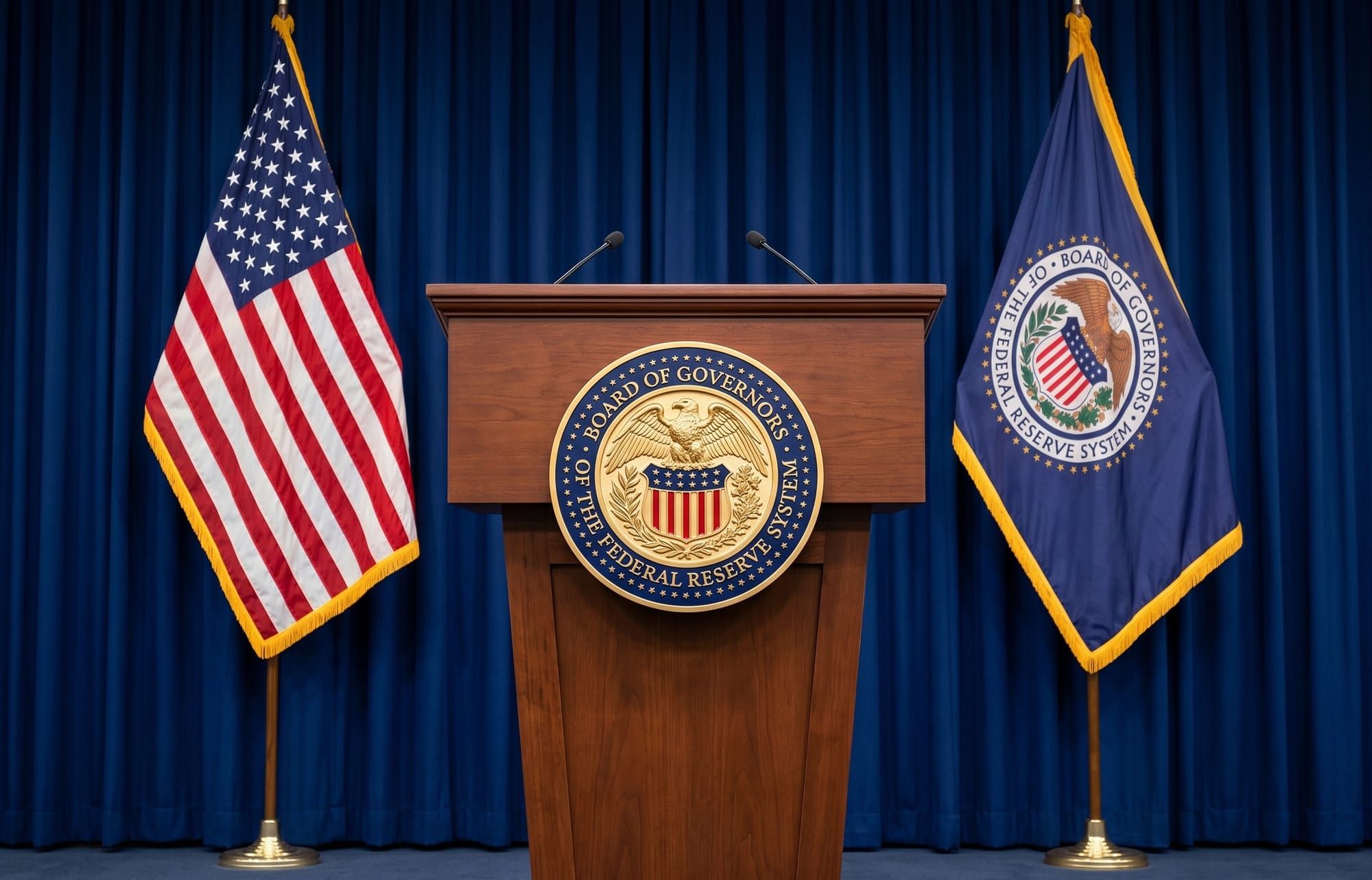

Kevin Warsh has just wrapped up his first major address as Chair of the Federal Reserve. While the trading desks on Wall Street are popping champagne and indices are clawing for new highs, the view from the warehouse floor hasn’t changed. Warsh played the role perfectly: he spoke the language of the “inflation hawk” to calm the media, but he offered zero concrete action that would actually cool the speculative fever gripping the markets.
For the suits on Wall Street, this was the green light they were begging for. For you, it is a wake-up call to audit your accounts. Warsh’s debut confirms that the Fed is sticking to the old playbook—balancing the system’s comfort at the expense of the dollar’s long-term integrity. Here is the breakdown of what he actually said, and what he carefully avoided.
The Great Illusion
Warsh’s main message was simple: “We have our hand on the pulse of the economy.” But whose pulse is he measuring? If you look at stock market returns, you’d think we’re in a golden age of productivity. But look at the real-world indicators: borrowing costs for small-to-mid-sized businesses remain suffocating, and industrial activity is stagnating.
Warsh artfully dodged any specific commitments on future rate hikes, leaving himself plenty of “wiggle room.” In banker-speak, that means: “We will continue to inject liquidity the moment the indices show signs of fatigue.” His performance wasn’t a policy strategy; it was a desperate attempt to keep the bubble from leaking in hopes that the market will “self-correct” before the next crisis hits.
Why Your 401(k) is Being Used as a Cushion
While Warsh was busy calming investors, the algorithms driving major index funds received a clear signal to “buy.” This means that your retirement savings are currently being funneled—automatically and without your consent—into the most overvalued assets in the market.
You didn’t vote to dump your life savings into money-losing speculative plays, but your passive index fund is doing it for you. Warsh gave the markets a blank check to keep the party going, and that means the concentration risk in your portfolio is only getting higher. When the music stops, the funds won’t protect you; they will simply liquidate your positions at the lowest possible price while still collecting their management fees.
The Reality Audit: What Warsh Ignored
In his speech, Warsh glossed over three factors that actually define your financial life:
- The Real Cost of Living: He spoke at length about CPI, but not a word about the fact that energy, logistics, and essential services are inflating at a pace that makes the official government statistics look like a fairy tale.
- Purchasing Power Erosion: The dollar has lost nearly 30% of its purchasing power in six years. Warsh didn’t offer a path to stop the bleeding; he offered “monitoring.”
- The Liquidity Trap: He ignored the fact that real businesses have stopped investing because they can no longer access affordable, long-term capital.
Your Action Plan
After Warsh’s speech, one thing is clear: the Fed is not going to save you if the market turns. They are going to save the system. Your job is to take your financial audit into your own hands.
- Review Your Exposure: Warsh’s speech triggered a rally, which creates a perfect window to trim your positions in the most bloated, debt-dependent assets.
- Stress Test the Narrative: Ask your financial advisor: “What happens to this fund if rates stay at 3.75% for another 18 months?” If they tell you the market will “recover,” they are betting on hope, not math. Demand a strategy that accounts for reality, not Fed rhetoric.
- Follow the Physical, Not the Digital: Stop chasing indices that buy everything in sight. Look for assets that generate actual cash flow, not just those that thrive on Fed-induced volatility.
Warsh said exactly what the bankers needed to hear. He did his job. Now, it’s time to do yours: protect the money you spent decades earning.