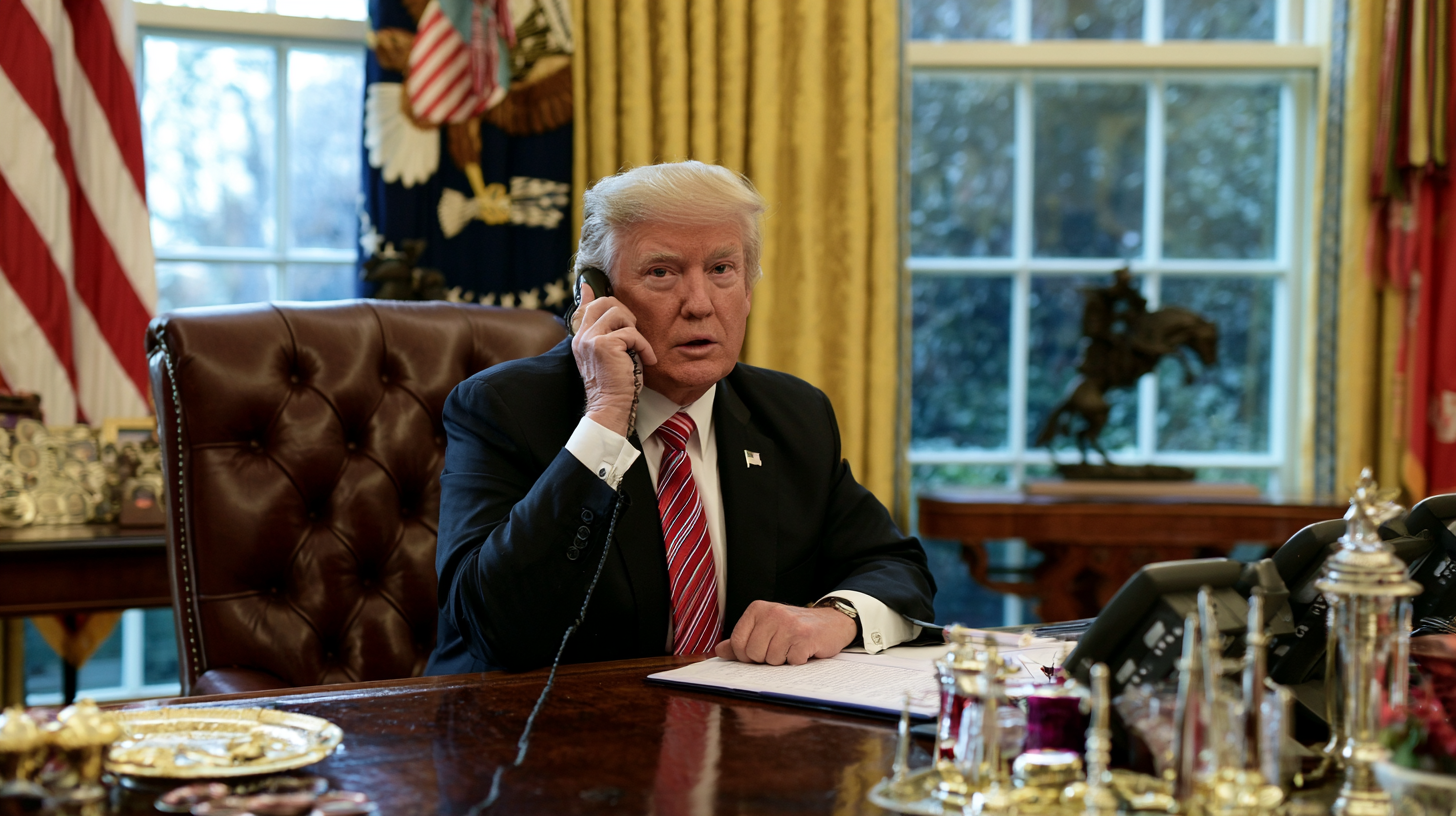

A Washington official phoned FIFA President Gianni Infantino directly. One phone call from the White House, and our top striker's red card vanished. Folarin Balogun’s automatic suspension was completely wiped out.
FIFA quietly invoked Article 27 of their disciplinary code. They suspended the ban for a vague "probationary period." There was no formal explanation given to the public, no transparency, just an overnight backroom deal.
The rulebook bent because someone with immense leverage applied pressure from the top. I spent 30 years in Ohio logistics and cost auditing. I am trained to spot operational inefficiency and structural illusions.
This soccer scandal is a flawless example of how the modern economy actually operates. The rules are rigid for you, but completely fluid for the connected.
Landmark Executive Order 14241 Unleashes
Republican or Democrat – whether you support or oppose Trump’s New Dollar – every American could soon be forced to use it
Discover three critical moves to help you prepare, before it’s too late
The BS-Meter: How Selective Flexibility Operates
Financial talking heads love lecturing everyday folks about the "unbending laws of the market." They tell you the system is independent, transparent, and fair. That is institutional doublespeak designed to keep you compliant.
FIFA had not rescinded a red card during a World Cup in 64 years. Yet, a single phone call destroyed six decades of absolute precedent.
Here is the actual flowchart of how top-down systems function:
Power Calls → Loophole Activated → Penalty Evaporates → Elite Profits → Public Left Clueless
In the real economy, massive corporate entities use this exact machinery daily. While a small business owner spends months begging for a local zoning permit, a multi-billion-dollar private equity fund rewrites trade regulations over a single dinner. The rules only turn to stone if you lack the right phone numbers.
Look at how corporate buyouts work. Private equity firms regularly exploit legal fine print to strip legacy companies of their assets, dump pensions, and walk away with millions. The rules flex for the buyers, but stay rock-solid for the workers who get laid off.
Logistics & Arbitrage: Who Pays for the Flex?
Let’s look at the actual gears moving underneath this institutional trickery. In my old industry, we optimized the "backhaul"—the return trip of a commercial truck. An empty truck hauling nothing but air bleeds massive capital every single mile.
To survive, you must audit every line item for hidden friction. Right now, the global supply chain is facing severe structural friction. Maritime container rates have recently surged toward historic highs.
Large corporate retailers are panicking over upcoming changes to import tariffs. They are aggressively front-loading inventory and choking warehouse capacity across the Midwest.
When massive corporations scramble to protect their own margins, they squeeze the little guy. They secure custom freight exemptions and volume discounts that independent truck drivers never get. The small-scale fleet owner pays the full, brutal sticker price for diesel fuel.
The multi-national conglomerate simply passes its supply chain pain down the line. Here is the text-based breakdown of how this inventory panic hits your wallet:
Tariff Uncertainty → Corporate Inventory Hoarding → Warehouse Capacity Shrinks→ Freight Rates Spike→ Retail Prices Jump → Your Buying Power Erodes
You are told that rising grocery bills are just a natural, unavoidable "market cycle." That is a blatant lie. Prices skyrocket because powerful players manipulate the supply chain to dodge their own losses. They protect their bottom line, and you pay the premium at the checkout counter.
The Bottom Line: Protecting Your Capital
You cannot call the head of FIFA to fix your personal finances. You cannot stop a Wall Street fund from swallowing your local employer. But you can absolutely stop playing a rigged game by their rules.
Your best weapon is tracking tangible, real-world economic markers. Stop wasting your time staring at abstract Wall Street stock charts.
Watch the diesel pumps, trucking capacity, and local warehouse inventories. When regional freight rates spike, it means consumer prices will jump three months later. Anticipating these shifts lets you move your capital before the system traps it.
The global market will never become fair or transparent on its own. It is designed to reward the operators who decode the fine print. Keep your eyes on the hard data, audit your expenses, and trust your gut.
The rulebook only bends for those who understand how the game is played.