
Last Tuesday morning, I was standing at the diesel pump behind the warehouse off Route 9. A driver in a clean Kenworth next to me was smiling at the recent news on his radio. He honestly thought peace had finally broken out in the Middle East.
I didn't want to ruin his day. But the truth is, this minor calm is just a smoke screen. A cynical battle for control over the planet’s primary transport corridors is heating up right now.
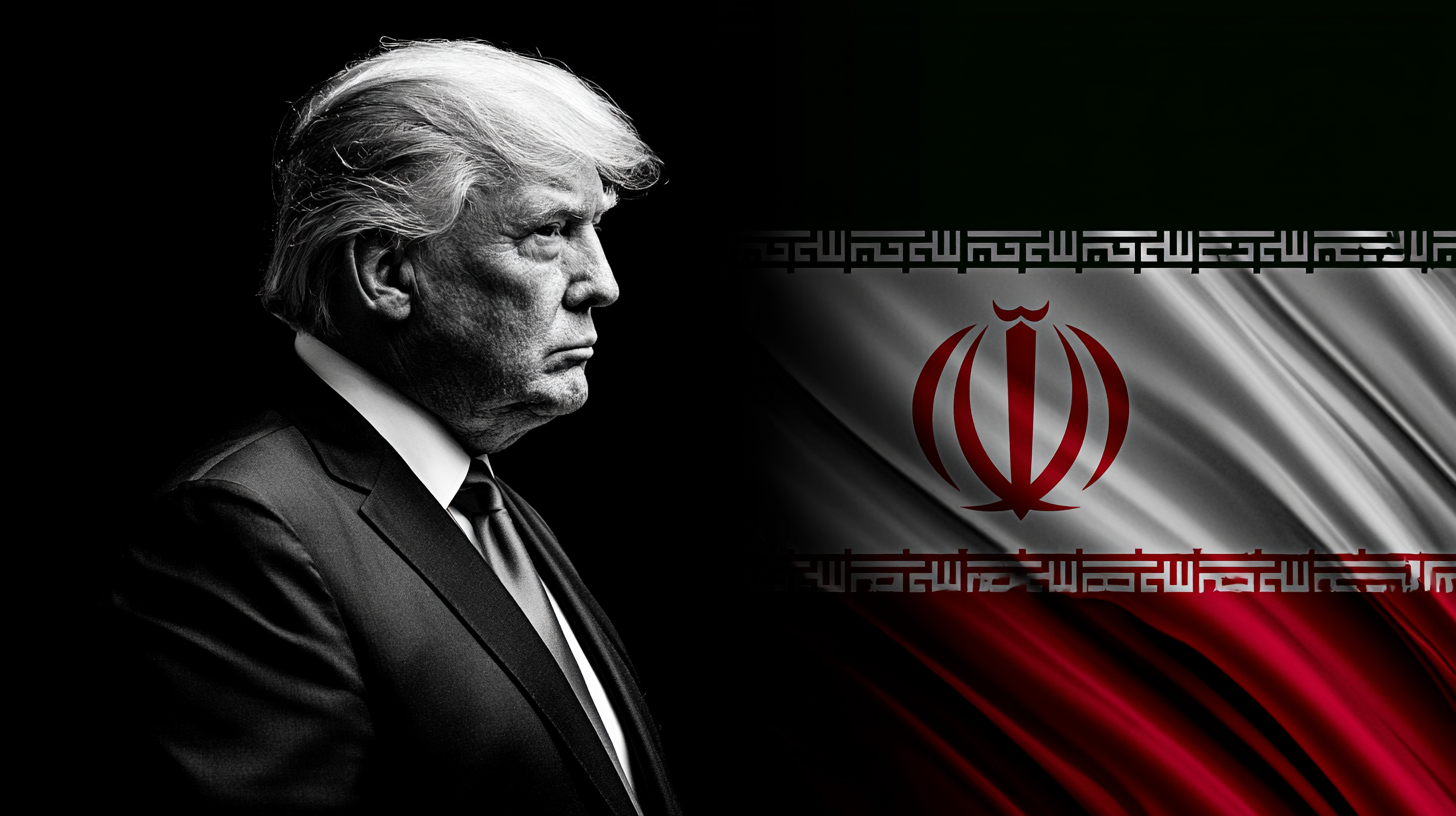
Let’s push the mainstream political talking points aside. We need to look at the actual distribution of force, real-world logistics, and the geopolitical clinch between the US and Iran. I will break down exactly what happened over the last month.
Iran just threatened to cut the world's internet.
The Doha Talks and the Real Situation on the Water
Last week, the US and Iran wrapped up another round of indirect talks in Doha. Mediators from Qatar and Pakistan managed the diplomatic traffic. The main takeaway blasted across major media outlets was the partial reopening of the Strait of Hormuz.
Let's look at the actual map. The Strait of Hormuz is the tightest bottleneck in global maritime logistics. Nearly one-fifth of global trade volume squeezes through this narrow corridor every single day. If this lock shuts down, global commerce grinds to an immediate halt.
In Doha, the negotiators argued over strictly technical, temporary rules. They focused on establishing safe corridors for commercial vessels and unfreezing specific Iranian bank accounts abroad. Iran temporarily agreed to pause harassment of civilian tankers and container ships.
Global shipping markets reacted immediately by dropping their immediate risk premiums. But this quiet period is purely tactical. The fundamental friction between Washington and Tehran remains completely unresolved. The global merchant fleet is still a hostage to raw geopolitics.
In case you missed it...
...make sure you get your "Simple Options Trading For Beginners" book before your link expires.
I eventually plan to charge money for this training, so do yourself a favor and download it now...
Simple Options Trading For Beginners
Running the BS-Meter: Gromкие Statements vs. Reality in Qatar
It is time to turn on our BS-Meter. We must separate campaign-season rhetoric from the hard realities tracked by port authorities and logistics managers on the ground.
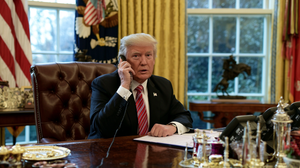
President Trump told CNBC on July 3rd: "I think they've agreed to just about everything we need." On July 6th, he repeated from the Oval Office that Washington secured massive concessions from Tehran. The administration is aggressively selling a narrative of a quick, effortless diplomatic triumph.
Now let’s look at what diplomatic sources actually told Reuters about the Doha meetings. Negotiators did not even touch the core issues of the conflict during those two days. The primary dispute—Iran's nuclear program—was completely absent from the official agenda.
Vice President JD Vance later verified this gap. He casually noted that the administration is "going to start talking about that" later. Real negotiations on the big issues have not even begun. Officials merely rubber-stamped parts of an interim technical agreement signed back in June.
By the evening of July 6th, Trump himself walked back his initial triumphalism. He publicly acknowledged that the current proposals are not final yet. He finished with his standard phrase: "We'll see, I don't know."
The actual reading on our meter is clear:
- Claims of a total Iranian surrender are pure political marketing.
- Only temporary civilian shipping routes were mapped out.
- The nuclear standoff is delayed indefinitely.
Talks are now paused until regional funeral proceedings conclude after July 9th. We are looking at massive political noise with almost zero structural progress on the water.
Chronology of the Past 30 Days: How We Reached This Deadlock
To see where this truck is heading, we have to look at the rearview mirror. Let’s reconstruct the exact chain of maneuvers over the past 30 days. This entire month was an incredibly dangerous game played right on the edge of a direct naval conflict.
Back in early June, Washington and Tehran quietly struck a fragile technical understanding. Iran promised to reduce its naval harassment in the Gulf. In exchange, the US agreed to loosen its grip on specific frozen financial channels.
That truce barely survived two weeks. By mid-June, Tehran threw a massive wrench into the gears by issuing an unexpected ultimatum. Iranian authorities announced concrete plans to levy sovereign transit tolls on all commercial vessels passing through the Strait of Hormuz.
This was a direct attempt to establish a paid customs border inside international waters. For global logistics, this is an absolute nightmare scenario. Any ship entering the Gulf would be forced to pay a direct tariff to Tehran.
The White House responded instantly with a heavy hand. The US deployed additional assets to the Fifth Fleet. American warships began aggressively escorting commercial vessels in formal convoy operations.
This severe deadlock and the immediate threat of a shooting war forced both sides to the table in Doha. The current drop in tension is not peace. It is a temporary pause to reload before the next round.
Supply Chain Risks: What to Expect in August
The most critical takeaway from the past month is simple. Iran has not abandoned its long-term strategic playbook. Tehran’s plan to enforce maritime transit tolls by mid-August remains completely active. They paused the clock in Doha, but they did not erase the threat.
If these ocean tariffs go live in August, maritime insurance premiums in the Persian Gulf will skyrocket instantly. Shipping lines will pass these massive structural costs directly down to their customers.
This will trigger an immediate chain reaction across global supply chains. The cost of everything will rise—from industrial components and machinery to the everyday goods sitting on your local store shelves. Logistics will once again drive global inflation.
Those of us operating in the real economy must monitor three critical indicators over the coming weeks:
- The resumption of meetings after July 9th: Watch to see if the temporary maritime truce holds or if negotiations collapse entirely.
- The physical behavior of Iranian patrol boats: Look for quiet vessel inspections or detentions of ships refusing to recognize Tehran’s tariff demands in late July.
- The Baltic Dirty Tanker Index: This is the purest leading indicator of actual fear in the maritime market. If that index climbs, the major logistics players are already positioning for trouble.
Politicians on television will keep shouting about historic deals and massive concessions. But as long as guided-missile cruisers must escort cargo ships, the crisis is far from over.
We do not buy into beautiful slogans. We keep our eyes locked onto hard logistical markers. In this business, you survive by watching the data, not the newspaper headlines.